Why is Body Fat so Important? How it keeps us alive in the Middle of the Night, March 2, 2015
Why is the Adipose/Liver-Free Fatty Acid/VLDL Cycle important?
Most people don’t like fat and would like to have as little of it as possible. But in reality, without fat, we would not be able to be free roaming individuals that do not have to be continuously tied to a stable food source.
Another reason to know about fat and this cycle is that fat is a dynamic tissue and we should try to understand it as much as possible. If we can understand how fat works it will give us insights into our selves and how we work. Also, we must understand the delivery of substrates to cells if we are to understand metabolism.
As I discussed in an earlier lecture, there is actually very little carbohydrate stored in our bodies. Even immediately after a large meal, the glycogen in our bodies is fairly limited with about 2000 Kcal of glycogen stored in our muscles and about 500 Kcal stored in the liver. Since most of us expend about 2500 Kcal per day, this stored glycogen would not last very long.
The image below was shown during the carbohydrate lecture.
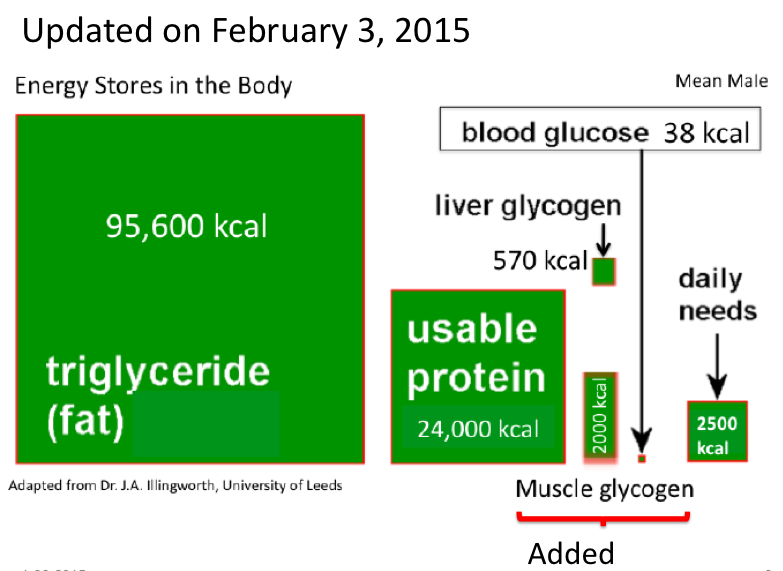
Since the amount of glucose Kcal in our blood is extremely low, the blood glucose must be constantly refreshed. The liver is the organ that supplies glucose to the blood, where it is probably used primarily by the brain and red blood cells. If the heart used just glucose, the glucose would be used up rapidly.
Therefore, fatty acids are made available for the heart and for other tissues at all times. In fact, the Adipose/Liver-Free Fatty Acid/VLDL Cycle runs all the time and you don’t even know about it. But if it were to stop, you would be in very bad shape. The cycle is shown below and is described below the image:
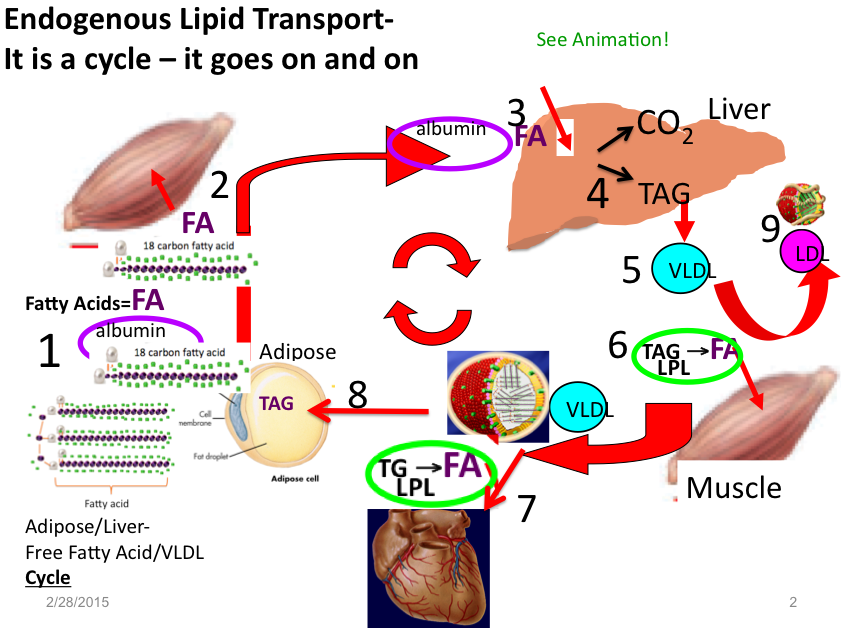
- The fat is taken as the start of the cycle. There are many depots of fat throughout the body, and certain ones are regulated differently. But we will consider fat as one big depot.
- The triglycerides stored in the fat cell are a relatively nontoxic way to store fatty acids. The breakdown of triglycerides into free fatty acids is tightly controlled and the lipases involved are regulated by insulin, glucagon, and stress hormones. The more hours you are since your last meal, the lower the insulin and the higher the glucagon will be in blood. This situation stimulates the release of free fatty acids that enter the blood and bind to the protein, albumin. Albumin carries the fatty acids throughout the body and makes those fatty acids available for tissues, including muscles, the heart and other tissues such as skin and the digestive system.
- The liver (3) takes up excess free fatty acids so their concentration in blood does not build up too much. The liver cannot store large amounts of fat and therefore it must either oxidize (4) the fatty acids for energy or it must re-synthesize triglyceride molecules. The re-synthesized triglycerides are packaged into Very Low Density Lipoprotein and secreted from the liver in VLDL (5). VLDL travels throughout the blood stream and delivers fatty acids to many of the same tissues (6) that took up free fatty acids from albumin. In fact, the heart muscle cells (7) prefer to take up fatty acids from VLDL. The way this works is that VLDL binds to an enzyme, Lipoprotein Lipase (LPL), which hydrolyzes the triglycerides to individual fatty acids molecules. The fatty acids then diffuse into the tissue. Finally the remnant VLDLs deliver fatty acids back to the fat cells (8) where the fat cells store them as triglyceride. What is especially powerful about the Adipose/Liver-Free Fatty Acid/VLDL Cycle is that there are two separate ways the fatty acids are delivered to cells. Also, the liver protects the body from high concentrations of free fatty acids. The biological role of VLDL is to return fatty acids (in the form of triglycerides) back to the fat (and completing the cycle!).
What are some of the problems with the Adipose/Liver-Free Fatty Acid/VLDL Cycle?
One problem is that some of the VLDL particles are converted, after very complex metabolism, to LDL particles (9) that contain mostly cholesterol.
The other problem is that an over active cycle can lead to high triglycerides in the blood.
One of the key elements in the cycle is Lipoprotein Lipase, the enzyme that hydrolyzes the triglycerides in VLDL. The distribution of LPL throughout the body is very important and its distribution may be responsible for causing the precise body shape of a particular person.
Digestion of Fat, Board Presentation from February 24th
The following images are from the Blackboard from class on February 24th:


Some Interesting Lipids
The Wonderful World of Lipids
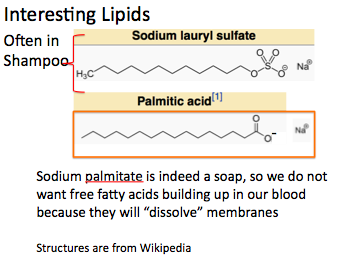
The figure below explains why free fatty acids cannot build up to a high concentration in blood. Free fatty acids resemble detergents and therefore they can disrupt membranes of cells if they increase in blood. In fact, this is what happens in Type 2 diabetes.
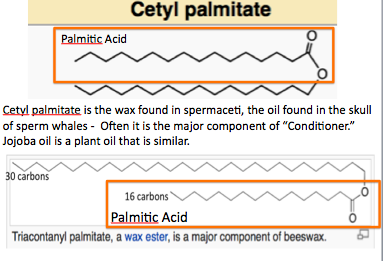
In addition to triglycerides and phospholipids, there are other important structural lipids such as waxes. Below are two important examples of waxes that each have the common fatty acid, palmitic acid, as a component. First is the main wax from spermaceti, which for several hundred years was the preferred oil for lamps, and therefore, spurred the expansion of whaling industry. The second wax is triacontanyl palmitate, the main wax in beeswax. Note the very long 30-carbon chain that gives beeswax it solid like nature.
Class and Exam on Tuesday, February 17, Cancelled Due to Snow
The exam and the class scheduled for today has been cancelled and moved to Friday, February 20, 2015 due to snow. See you Friday!
Questions from Students concerning the Exam
I’ve had quite a few questions over the past few days. I will answer those questions in this post.
1. What numbers do I need to know for the exam?
Answer: I do not mind answering this question although I think I have mentioned the important ones several times in class. You have to know the Atwater numbers for carbohydrates, fat, and protein. Another number that would be good to know is the approximate amount of glucose that can be stored as glycogen in the muscle and liver. It would be a good idea to know what is the breakdown of energy in the diet contributed by the macronutrients in the average American diet. You also have to know some other percents–but in most cases I think you will be able to figure these out. You do not need to know numbers for the glycemic index of particular foods. You do have to know what a high glycemic index tells us about a food or a process.
2. The following question was asked by several students–How did finding out the mechanism of glucose uptake into the enterocyte, which involves co-transport of glucose and sodium into the cell and that sodium was absolutely required for uptake of glucose, save the lives a millions of children from severe diarrhea?
Answer: Good question. This was told to me by a physician (who is quite old now) who used to travel in developing countries to treat children. He said that early on when children had severe diarrhea they had very little to help the child and many children died because of the dehydration and lack of energy caused by the diarrhea. Then when the discovery was made concerning the glucose transporter, some pediatrician tried putting sodium into water with glucose and gave it to a child and it worked! And the news traveled like wild fire among third world physicians. Before this, he said, it was unthinkable to put sodium into something the child drank. After all, who would give sodium to someone dying of thirst in the dessert? Because of this discovery, Ross laboratories developed Pediacare, which is a commercial product that contains salt and glucose and other electrolytes. Also, Gator aid was established for athletes, and this really took off too-especially due to promotion through commercials by Michael Jordan and other sports stars.
So now it is accepted that sodium helps with rapid transport of glucose and water into the enterocyte, but at one time, this was not known. This is an example where bench biochemistry influenced the health and welfare of many people!


Class on Friday, February 6, 2015
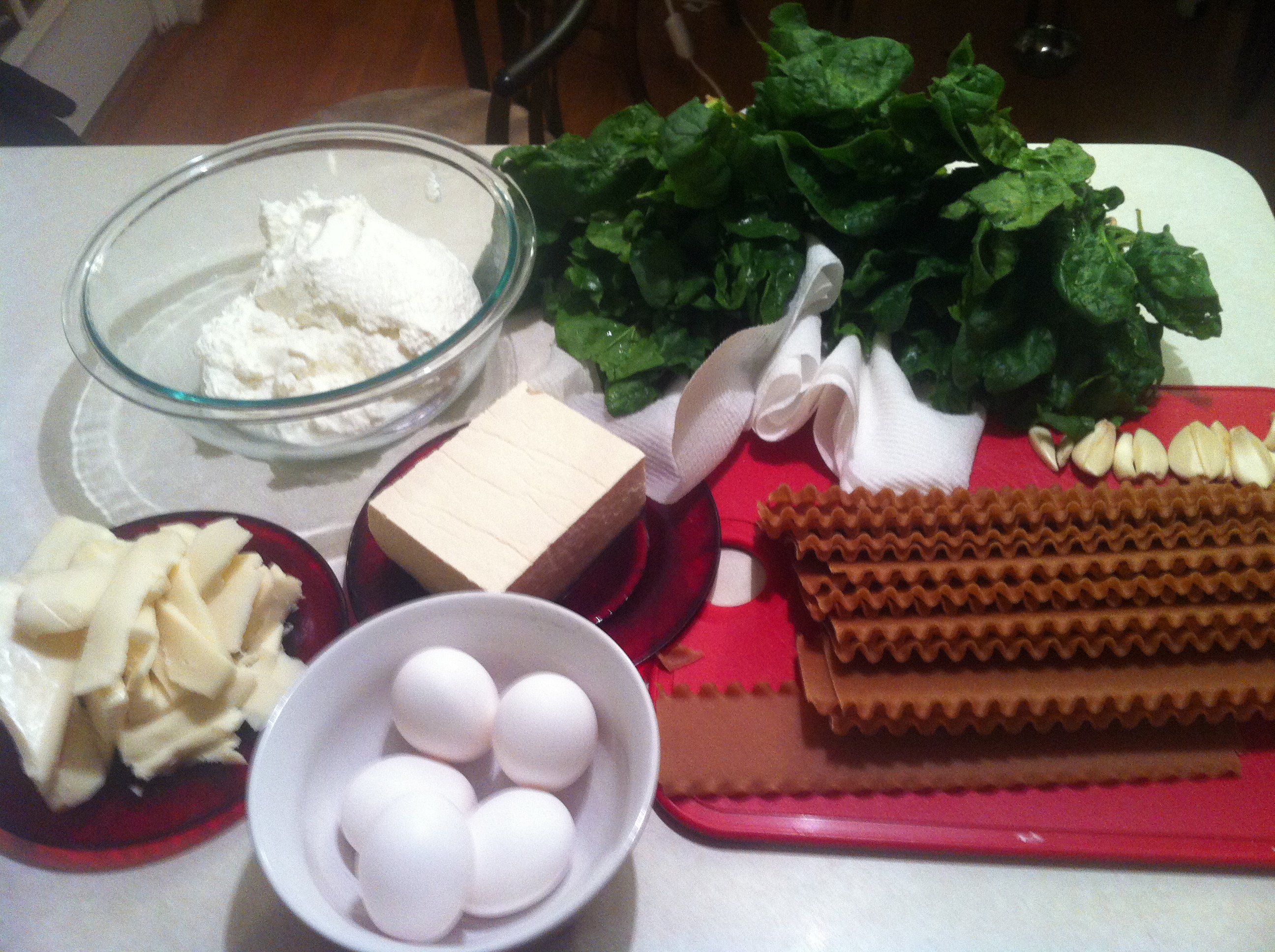
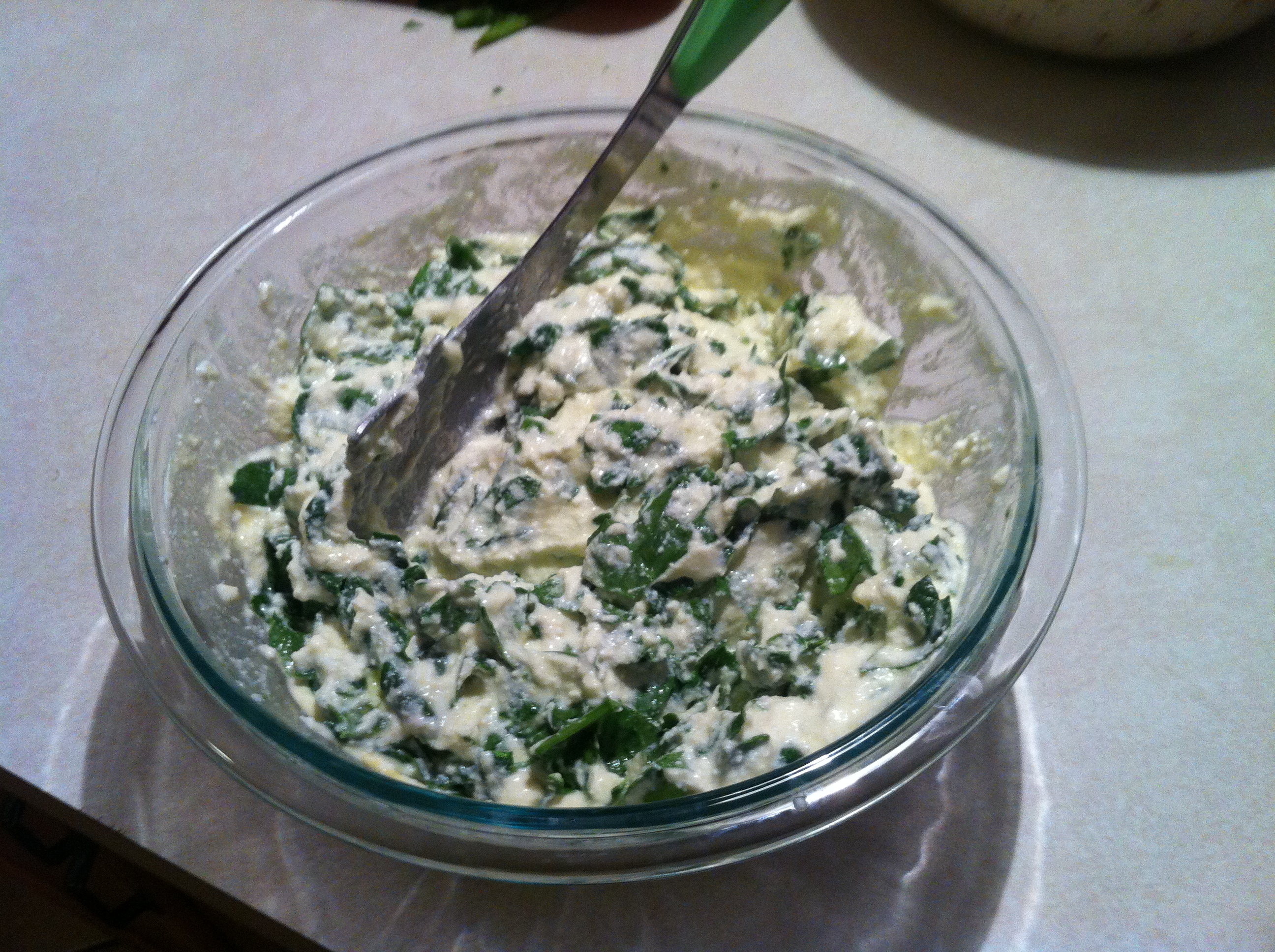
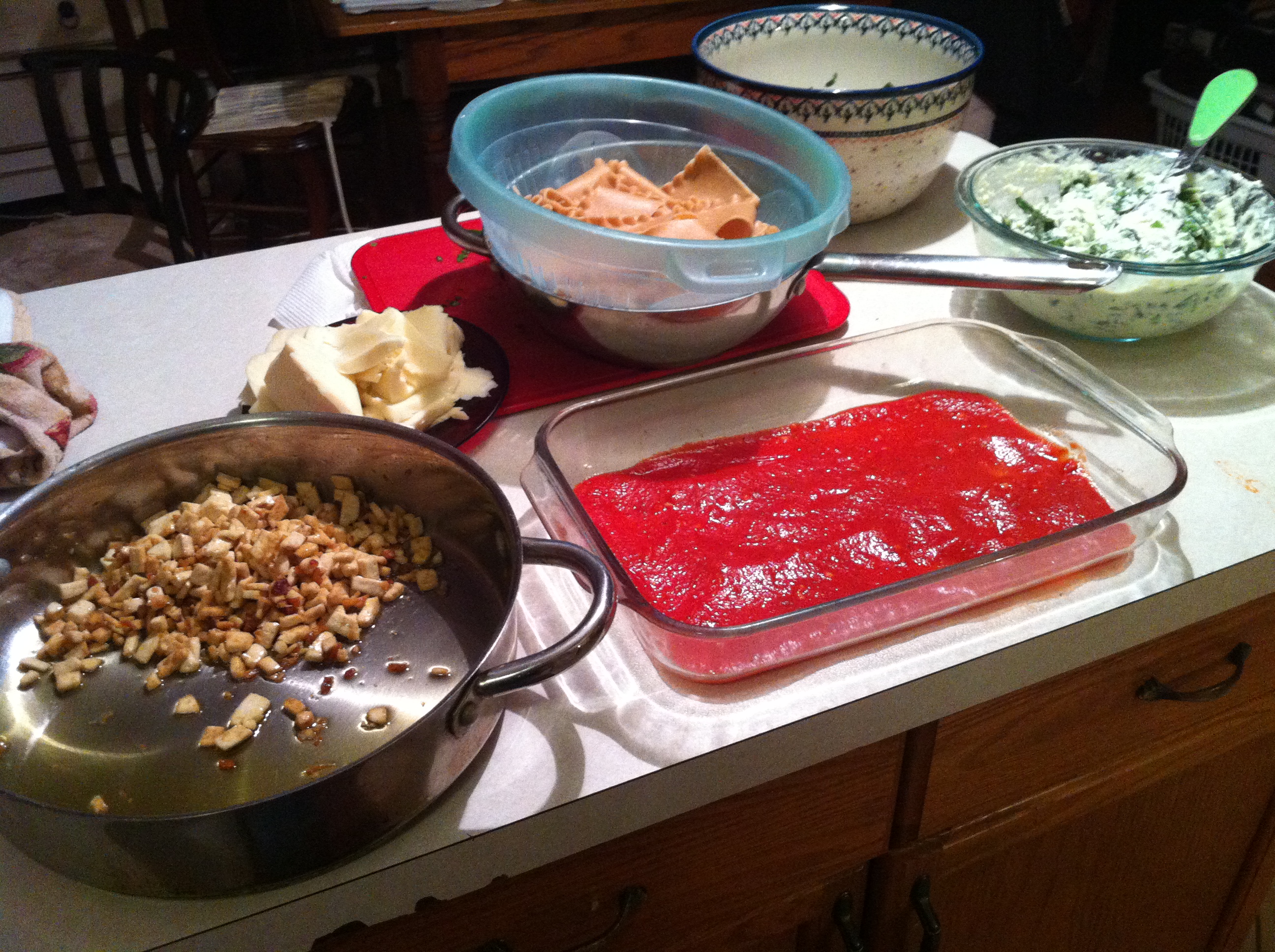
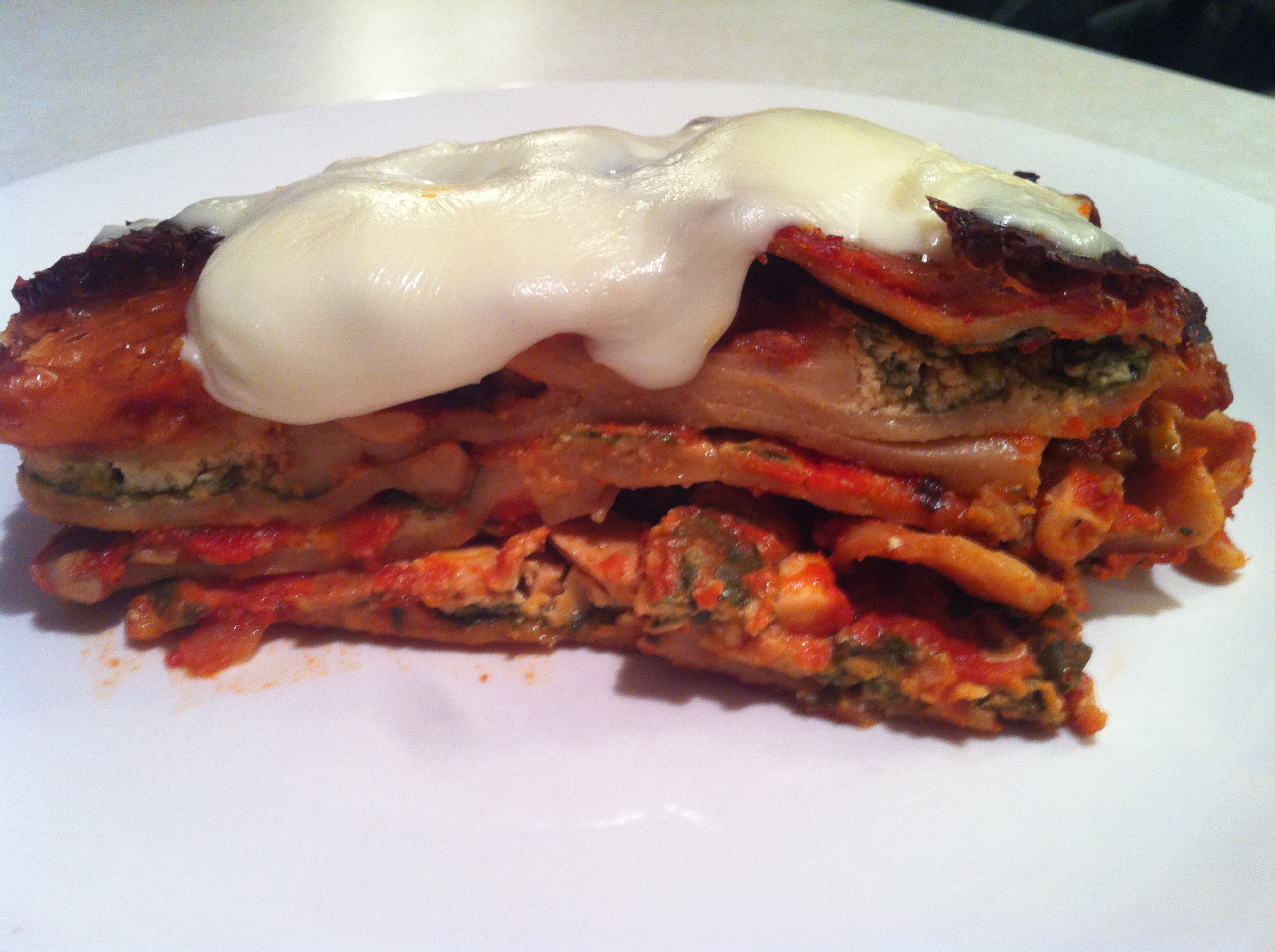
Whole wheat Lasagna made with whole wheat pasta, tofu fried in olive oil, and spinach:

 How to cure obesity
Recent Comments